Exploring Qasr Al Emarat: A Landmark of Architectural Excellence
Intro
Qasr Al Emarat stands as a bold testament to the architectural aspirations of the United Arab Emirates. More than just a building, it embodies the cultural soul and historical journey of the nation. An exploration of this majestic structure offers insights not only into its intricate design and aesthetics but also reveals how deeply intertwined it is with the identity of the Emirati people. From its grandiose facade to the thoughtfully curated interiors, every detail of Qasr Al Emarat speaks volumes about the values and traditional narratives that the UAE holds dear.
Set against the backdrop of a rapidly modernizing world, this article aims to peel back the layers of Qasr Al Emarat to understand its significance in today's society. The architectural marvel is not merely about visuals; it's a living dialogue between the past and the future. Addressing themes like sustainability in architecture, the role of government in preserving heritage sites, and the balance between tradition and innovation allows us to fully grasp the cultural fabric of the Emirates.
As we traverse through its historical context and modern implications, the narrative will also hint at market trends in real estate, specifically how properties and architectural landmarks like Qasr Al Emarat influence value and desirability. Investors, real estate agents, homebuyers, developers, and renters alike will find valuable insights as we navigate this captivating subject. Understanding Qasr Al Emarat isn't just an academic exercise; it’s about connecting with a transformative era in the UAE’s rich narrative.
Let’s embark on this journey to discover the depths of Qasr Al Emarat, its past, its present, and its promising future.
Prologue to Qasr Al Emarat
Qasr Al Emarat stands as a testament to the architectural prowess and cultural significance of the United Arab Emirates. Nestled in the heart of Abu Dhabi, this majestic structure not only captivates visitors with its grandeur but also embodies the UAE's rich historical narrative. Understanding Qasr Al Emarat calls for an exploration of its multifaceted identity — not just as a visual centerpiece but as a cultural hub that reflects the aspirations and values of Emirati society.
Historical Background
The roots of Qasr Al Emarat can be traced back to notable events in the UAE's development, particularly during the formation of the federation in 1971. Built as a royal palace, it often served not just as a residence for the leadership but also as a site for important state functions. This architectural marvel symbolizes both continuity and change across decades.
Originally constructed using local materials, the design integrates traditional Arabic styles with a modern twist, resonating with the country’s ambition to blend heritage with innovation. The palace has also hosted distinguished leaders and dignitaries from around the world, further solidifying its position in the annals of Emirati history. To grasp the full essence of its past, one must appreciate the societal transformations the UAE has undergone since its inception. Through its halls, one can almost hear whispers of significant political dialogues that helped shape the nation's path.
Significance in UAE Culture
Beyond its physical structure, Qasr Al Emarat plays a pivotal role in the cultural identity of the UAE. It stands as a beacon of national pride, often regarded as a site that brings together Emiratis and visitors alike in appreciation of their shared heritage. The palace is a frequent venue for cultural events, reflecting the richness of Emirati traditions and contemporary artistic expressions.
The symbolism of Qasr Al Emarat goes further; it serves as a gathering place for discussions surrounding national issues and future visions for the country. Annual events celebrating Emirati heritage, such as National Day and other cultural festivals, see thousands converge in its vicinity, fostering a sense of unity among residents and showcasing the hospitality inherent in the Emirati culture. The very walls of Qasr Al Emarat harbor stories that reflect resilience, pride, and the collective dreams of a nation on the rise.
"Qasr Al Emarat is not merely a palace; it’s a cultural landmark that embodies the spirit of the UAE. Its very existence motivates citizens to delve deeper into their heritage while looking forward to a bright future."
By exploring both the historical and cultural significance of Qasr Al Emarat, one gains an understanding of its impact beyond architecture. It is a vivid illustration of the UAE's journey — from a tradition-rich society to a modern state striving for greatness.
Architectural Features of Qasr Al Emarat
The architectural features of Qasr Al Emarat are a true testament to the creative genius present in the United Arab Emirates. This iconic structure is not merely a feast for the eyes; it embodies intricate details that reflect a rich tapestry of history, culture, and modern innovations. Here, the importance of its architectural features cannot be understated, as they serve both aesthetic and functional purposes within the landscape of contemporary Emirati identity.
Design Elements
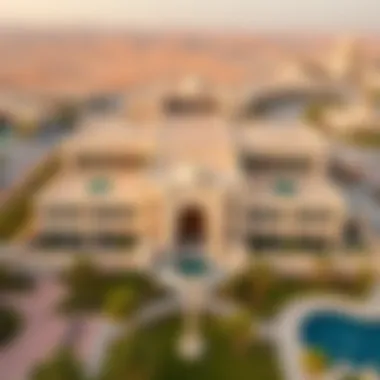
At first glance, Qasr Al Emarat captivates with its splendid façade that seamlessly merges traditional Arab aesthetics with modern architectural principles. The impressive arches and intricate geometrical patterns echo the region’s rich Islamic heritage while also embracing contemporary designs. Each element is carefully thought out, integrating symmetry and proportion to create a visual harmony that resonates with both locals and visitors.
One cannot overlook the significant use of space in the design. The layout encourages interaction among visitors while providing quiet nooks for reflection. Strategically placed gardens and water features provide natural cooling and contribute to an inviting environment. This fusion of art and utility in the design is a fundamental characteristic of Qasr Al Emarat, illustrating how architecture can enhance user experience.

Materials Used
Material selection plays a pivotal role in the architectural narrative of Qasr Al Emarat. Using locally sourced materials, this structure stands as a beacon of environmental consciousness. Limestone and sandstone not only echo the local landscape but also promote durability against the arid climate. These materials were chosen not just for their strength, but also for their ability to weather beautifully over time, enhancing the building’s charm.
Moreover, the internal spaces feature a blend of luxurious fabrics and polished marble, creating an ambiance of elegance that is not ostentatious but rather refined. The choice of materials demonstrates respect for tradition while also pushing innovative design frontiers, making it both sustainable and visually stunning.
Sustainability Practices
Sustainability is at the core of modern architectural practices, and Qasr Al Emarat exemplifies this trend brilliantly. The incorporation of green technologies—such as solar panels and energy-efficient cooling systems—reduces the building’s carbon footprint. This reflects a broader commitment to environmental stewardship prevalent in today’s Emirati society.
Water conservation methods are also present, with smart irrigation systems employed in the gardens. Such practices ensure that even in a desert environment, lush greenery remains a possibility without overexploiting precious resources.
Qasr Al Emarat stands not just as a building, but as a dialogue between the past and the future, a symbol of the UAE's commitment to sustainable development.
The architectural features of Qasr Al Emarat reveal layers of meaning and intention that go beyond superficial beauty. This intricate interplay of design, materials, and sustainable practices makes it a significant landmark, further solidifying its place in the Emirates’ cultural and architectural heritage.
For those interested in diving deeper into the architectural significance of Qasr Al Emarat, the following resources may provide additional insights:
As one explores Qasr Al Emarat, it becomes evident that its architectural features do more than adorn the skyline; they tell a story of a nation that values its roots while ambitiously forging into a sustainable future.
Qasr Al Emarat in the Context of Dubai
Qasr Al Emarat stands as a testament to the rapid evolution of Dubai, intertwining its rich traditions with modern aspirations. This architectural landmark does more than just amaze the eye; it embodies the spirit of a nation and its relentless march toward progress. Understanding its role within the broader context of Dubai involves exploring two crucial dimensions: its impact on local urban development and its connections to other iconic structures in the city.
Impact on Local Urban Development
The establishment of Qasr Al Emarat significantly reshapes the urban landscape of Dubai. It serves not only as a central point of admiration but also as a catalyst for local development. Since its construction, the area surrounding the palace has felt the ripple effects of its presence.
- Economic Growth: With Qasr Al Emarat attracting a steady stream of visitors, local businesses have seen increased foot traffic, helping boost the region's economy. Restaurants, shops, and other services have capitalized on the tourism influx.
- Infrastructure Improvements: Roads and public transport facilities have expanded, integrating Qasr Al Emarat into the urban fabric of Dubai. Enhanced accessibility ensures that tourists, developers, and residents can connect easily with this pivotal landmark.
- Green Spaces: The palace complex encourages the creation of green areas nearby, fostering community interaction and promoting a healthier environment. The combination of architecture and nature gives residents and visitors a relaxing space amidst urban hustle.
The effect of Qasr Al Emarat stretches even further, influencing city planning and architectural styles as urban designers seek to incorporate traditional elements while keeping pace with innovations in construction and sustainability.
Connection to Other Landmarks
Qasr Al Emarat is not an island unto itself; it forms part of a rich tapestry of Dubai’s iconic structures, seamlessly linking history and modernity. These connections contribute to a cohesive brand for Dubai as a global destination.
- Proximity to Key Landmarks: Strategically located near attractions such as the Burj Khalifa and The Dubai Mall, the palace enhances the allure of these destinations. Visitors appreciate the ease of access to multiple sites, enriching their experience in Dubai.
- Cultural Network: The presence of Qasr Al Emarat adds depth to cultural initiatives that are often consolidated with other landmarks such as the Dubai Opera or the Dubai Museum. Cultural festivals and exhibitions at these sites often interconnect, showcasing the artistic vibrancy of the Emirates.
- Architectural Dialogue: The design of Qasr Al Emarat engages in conversation with other architectural marvels, like the Emirates Towers and the historical Al Fahidi Fort. This dialogue underscores an evolving narrative of what Emirati architecture can be, celebrating both heritage and modern influences.
As such, Qasr Al Emarat does more than just sit in its surroundings—it enhances the entire experience of Dubai, making it a must-visit not just for its beauty, but for its integral part in a greater story.


The essence of Qasr Al Emarat is woven into the very fabric of Dubai, influencing everything from local economies to the cultural landscape. Its role in shaping this vibrant city cannot be overstated.
In summary, the architectural brilliance of Qasr Al Emarat plays a vital role in the context of Dubai. From fostering local growth to interlinking with other landmarks, it serves as a powerful symbol of the city’s dual commitment to its rich heritage and its ambitious future.
Cultural Events at Qasr Al Emarat
Qasr Al Emarat is not only a stunning architectural feat, but also a vibrant center for cultural engagement. These events play a crucial role in solidifying its standing as a landmark that reflects the heart and soul of the Emirati people. The cultural events held at Qasr Al Emarat demonstrate the intertwining of art, tradition, and community life in the UAE.
Exhibitions and Installations
The exhibitions at Qasr Al Emarat are top-notch, showcasing both local and international artists. These installations allow visitors to experience art through a uniquely Emirati lens. For instance, an exhibition featuring the works of contemporary UAE artists might often juxtapose traditional art forms with modern interpretations, thus celebrating local heritage while encouraging innovation.
Every exhibition is meticulously curated to tell a story. One recent example includes "Reflections of the Desert," which highlighted the connection between Emirati culture and the vast desert landscape. This not only showcases the beauty of the artwork but emphasizes the historical ties of the desert to national identity.
"Exhibitions at Qasr Al Emarat foster a dialogue between the past and present, engaging the community on many levels."
The installations themselves often incorporate interactive elements that invite audience participation, making the experience more immersive. It isn’t just about looking at art; visitors often engage with it, creating a personal connection as they explore various cultural narratives.
Community Engagement Initiatives
Community engagement initiatives at Qasr Al Emarat serve to bond the local populace with their rich heritage. Programs such as art workshops, lecture series, and cultural festivals draw residents and tourists alike. For instance, workshops focusing on traditional Emirati crafts like talli (the art of weaving) or ghutras making (traditional headscarves) help preserve these fading skills while educating younger generations about their cultural significance.
These initiatives are designed not just to engage but also to inspire creativity and inclusiveness among diverse community members. They invite participants from all walks of life, be it seasoned artisans or enthusiastic newcomers, to express their experiences. It’s common to see families attending these events together, creating a multi-generational appreciation of culture.
Visiting Qasr Al Emarat
Visiting Qasr Al Emarat is more than just a simple activity; it represents an opportunity to immerse oneself in the rich tapestry of the UAE's history and culture. Recognized as a monumental architectural jewel, Qasr Al Emarat draws in not only tourists but also locals who seek to deepen their understanding of national pride and heritage. The visitor experience is thoroughly enjoyable, providing a chance to appreciate both the visual delights and the underlying philosophies of this stunning landmark.
Accessibility for Tourists
Accessibility to Qasr Al Emarat is a priority for its planners. The site is conveniently located, making it easily reachable by various means of transportation. Whether you choose to arrive by car, taxi, or even public transport, the options are plenty. For those who prefer a more scenic route, the walking path from nearby attractions offers a pleasant stroll, inviting visitors to take in the surroundings along the way.
- Public Transportation: The locality is serviced by several bus lines connecting to major areas in Dubai. This makes it affordable and straightforward for tourists.
- Parking Facilities: For visitors who prefer to drive, ample parking is available, ensuring that finding a spot doesn’t turn into a headache.
- Guided Tours: Several tour companies offer guided excursions to Qasr Al Emarat, enhancing the visit by providing insightful context and stories behind the architecture and its significance.
"Qasr Al Emarat stands not just as a building but as a beacon of Emirati culture and a testament to the region's commitment to preserving its heritage."
The availability of multilingual guides ensures that barriers in language won’t diminish the experience; everyone can engage with the stories that the walls whisper.
Visitor Experience

The visitor experience at Qasr Al Emarat is designed to be immersive and engaging. From the moment you step foot into the grand entrance, the opulence of the interiors is striking. Guests can wander through exquisitely designed halls that echo the stories of the past while showcasing the flair of modern architectural techniques.
- Interactive Displays: Throughout the facility, interactive exhibits provide deeper insights into the significance of the building. Every corner reveals something new, ranging from historical anecdotes to architectural innovations.
- Cafés and Restaurants: After exploring, visitors can enjoy local cuisine at nearby cafes or restaurants that complement the cultural experience. The blend of flavors leaves a memorable imprint, appealing to both tourists and residents alike.
- Photography Opportunities: The various stunning backdrops provide ample opportunities for photography enthusiasts. The play of light and shadows against the intricate details makes for remarkable captures, perfect for sharing memories.
As such, visiting Qasr Al Emarat is not merely an observation; it's a participatory event, where one becomes part of a larger story that celebrates not just UAE's past, but also its vibrant present and hopeful future. The experience is undeniably layered, encapsulating everything from architectural splendor to cultural depth, making it an essential stop for anyone eager to understand what makes this region tick.
The Role of Qasr Al Emarat in Emirati Identity
In the heart of the United Arab Emirates lies Qasr Al Emarat, a landmark that transcends mere architecture to embody the spirit of the Emirati people. This majestic palace is more than a structure; it is a symbol of national pride and a testament to the UAE’s rich cultural heritage. The role of Qasr Al Emarat in shaping Emirati identity is profound, influencing not just how citizens view themselves, but also how the world perceives the Emirates.
Symbol of National Pride
Qasr Al Emarat stands as a beacon of Emirati culture, reflecting the nation’s growth and aspirations. Constructed with meticulous attention to detail, this architectural jewel showcases traditional design elements that echo the country's history. The grandeur of its domes and intricately designed facades tell stories of a rich past steeped in heritage. Every corner of this palace resonates with the pride of its people.
- Historic Narratives: The palace features intricate mosaics and artwork that represent key events and figures in Emirati history. These details serve as educational tools and cultural memory aids, ensuring that the legacy of the UAE's ancestors is preserved and celebrated.
- National Unity: Qasr Al Emarat acts as a venue for various state functions and celebrations, fostering a sense of unity among citizens. The moments shared here, whether during national holidays or royal functions, reinforce the bond between the leadership and the people.
"The palatial design is not just about aesthetics; it signifies the stories and struggles of the countless Emiratis who have contributed to the nation’s narrative."
The architecture itself is designed to symbolize strength and resilience, qualities that are deeply embedded in the Emirati identity. As visitors approach the palace, they encounter fountains and gardens that provide a serene environment, underscoring a commitment to combining natural beauty with man-made elegance.
Influence on Younger Generations
The significance of Qasr Al Emarat extends beyond its physical presence; it plays a crucial role in shaping the perceptions of younger Emiratis. Through various educational programs and community initiatives, the palace fosters a sense of belonging and pride among youth, making history accessible and engaging.
- Cultural Programs: Workshops and exhibitions hosted at Qasr Al Emarat encourage young Emiratis to explore their heritage actively. Through these experiences, they learn about traditional crafts, music, and even leadership values that have defined their culture for centuries.
- Future Leaders: Engaging the youth in palace activities equips them with an understanding of their role in society. They not only learn the values of stewardship and respect for history but also how they can contribute to the UAE's continued progress.
Investments in education and cultural engagement at Qasr Al Emarat strike a chord with younger generations, reminding them that their identity is rooted in a long-standing legacy. This architectural wonder thus serves as a bridge between the past and the future, ensuring that Emirati identity continues to thrive.
Future of Qasr Al Emarat
As we look forward, the future of Qasr Al Emarat stands poised at the intersection of tradition and innovation. With its profound historical roots and contemporary architectural importance, there are several factors at play that will shape its evolution. This landmark isn't just a relic of the past but a living structure with potential for further transformation and adaptation in response to modern demands and aspirations.
Proposed Developments
The ongoing discussions around proposed developments for Qasr Al Emarat signify a forward-thinking approach to conservation and enhancement. These initiatives intend to blend the rich heritage of the site with the dynamic changes of urban Dubai. Some initiatives include:
- Cultural Exchange Programs: There's a push to create platforms for international art and cultural exhibitions, fostering a dialogue between local culture and global influences.
- Smart Technology Integration: Proposals may entail the incorporation of smart technologies into the building management systems, enhancing visitor experience while preserving the integrity of its structure.
- Expanded Public Spaces: Potential improvements might also focus on increasing accessible public spaces around Qasr Al Emarat, encouraging community engagement and interaction with the landmark.
These developments serve not only practical purposes but also enhance the artistic narrative surrounding the landmark. They provide a means for Qasr Al Emarat to remain relevant in a rapidly evolving world, ensuring that it continues to resonate with both locals and visitors alike.
Long-Term Impact on Architecture
The broader implications of Qasr Al Emarat's future extend deeply into the realm of architectural influence. This structure is not merely an isolated entity but a part of a larger conversation regarding the future of Emirati architecture. Some potential impacts include:
- Sustainability Standards: As shifts towards sustainable design progress, Qasr Al Emarat could serve as a model for integrating eco-friendly practices within traditional frameworks, influencing future architectural projects in the region.
- Heritage Preservation: With increasing emphasis on the importance of preserving cultural landmarks, Qasr Al Emarat could play a pivotal role in establishing standards for heritage conservation while accommodating modern functionality.
- Influence on New Generations: Its evolution could inspire future architects and designers. By engaging with local history and advancing architectural techniques, new generations can learn how to create spaces that honor the past while fulfilling contemporary needs.
"As Qasr Al Emarat evolves, it will embody the balance between innovation and heritage, guiding future architectural endeavors in the region."